Understanding the Impact of Culinary Classes on Tourism
Culinary classes have become an integral part of the travel experience for many visitors to the United States. They offer travelers unique insights into local cultures while simultaneously benefitting the tourism industry. This article explores the impact of culinary classes on tourism, highlighting how they enhance visitor engagement and foster community connections.
Understanding the Basics
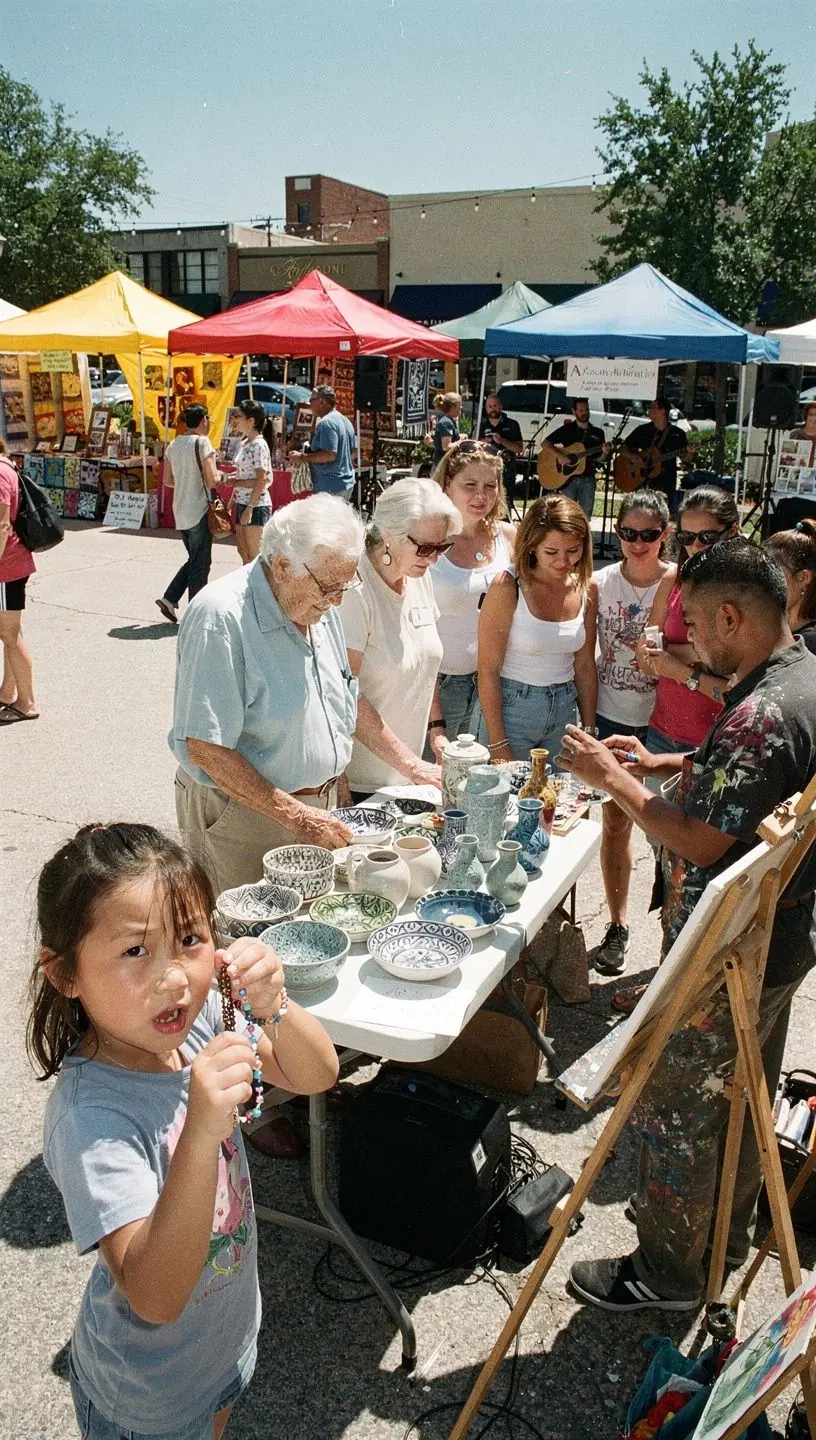
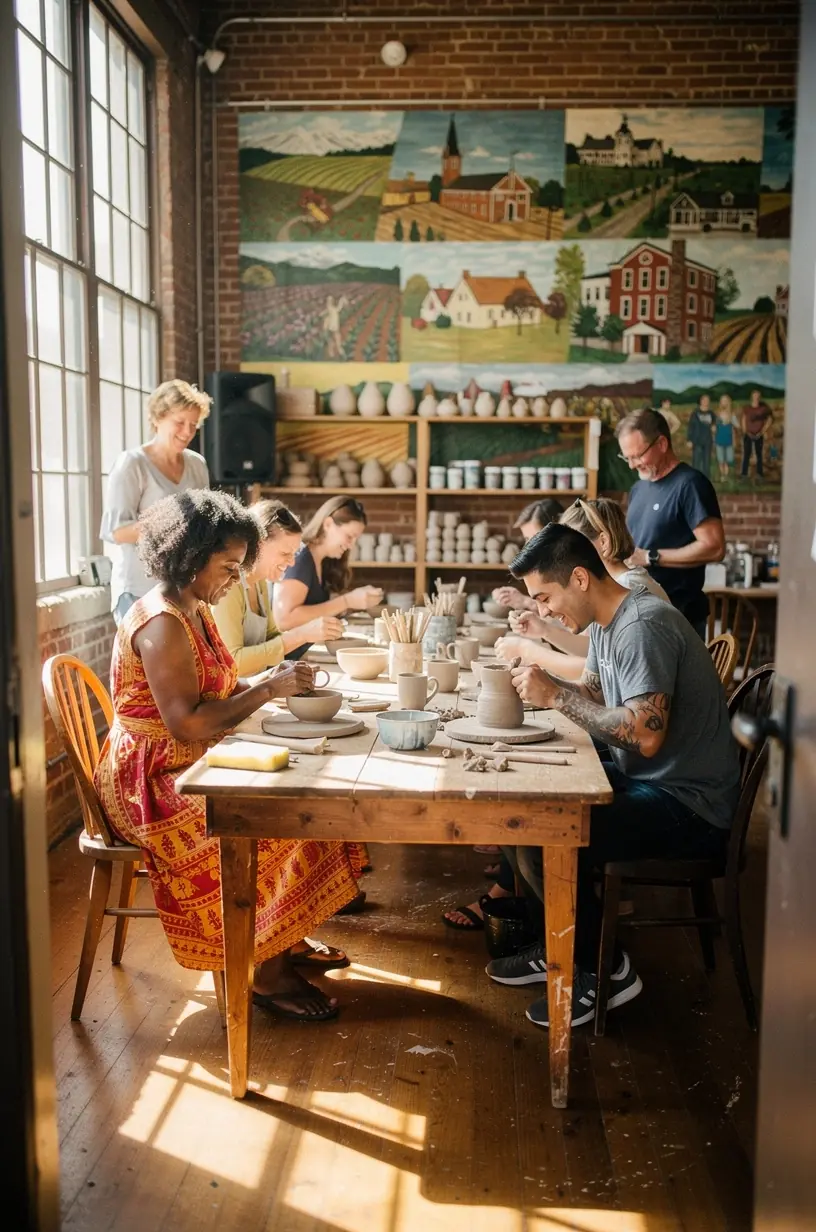
Culinary classes often serve as a bridge between tourists and local cultures. According to research from the Travelers’ Experiential Preferences Study, travelers increasingly seek authentic experiences that allow them to connect with local traditions. Culinary classes, in particular, are effective because they provide hands-on learning experiences that immerse participants in the local gastronomy.
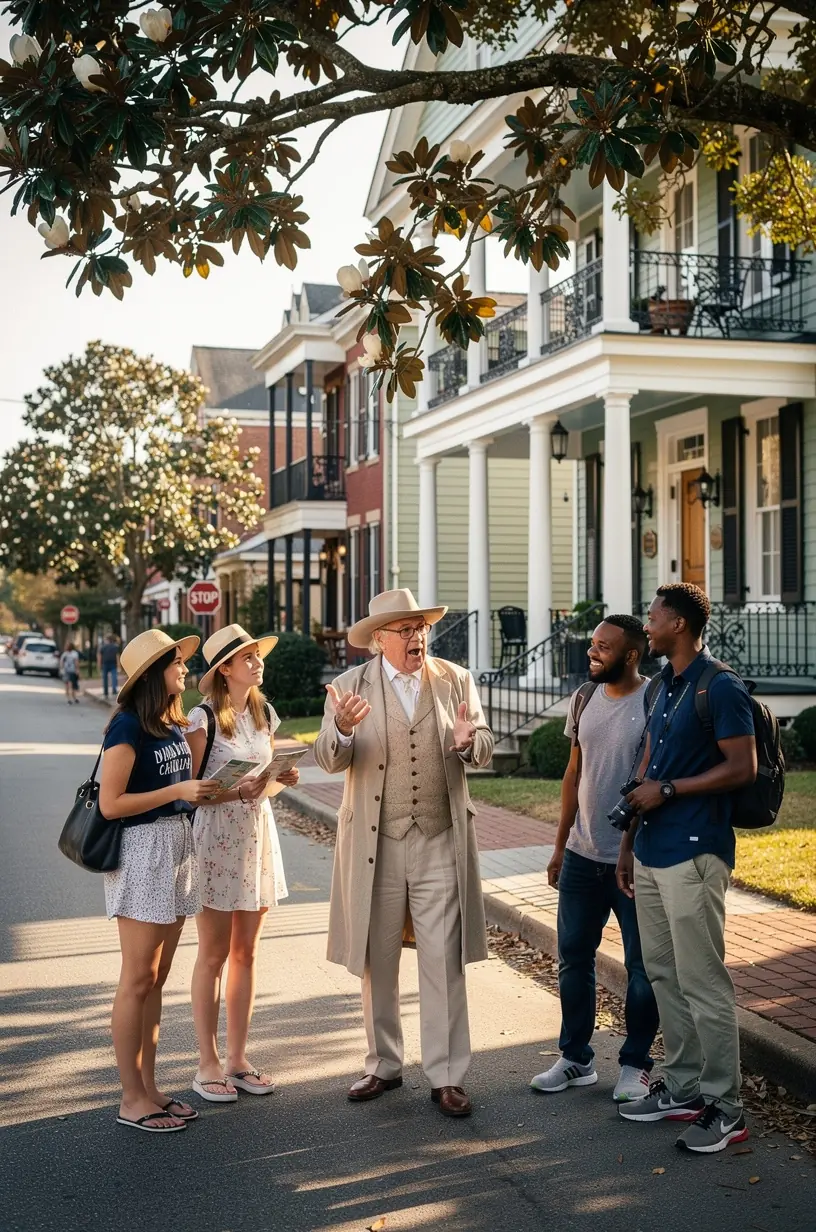
"Experiential travel has seen a significant rise, with many travelers preferring activities that allow them to interact with locals and learn about their customs." - National Travel and Tourism Office
The Benefits of Culinary Classes for Tourists
Participating in culinary classes can enhance a traveler's experience in several ways:
- Cultural Immersion: Many users report that cooking local dishes helps them gain a deeper understanding of the region's culture and history.
- Networking Opportunities: Culinary classes often attract a diverse group of participants, allowing travelers to meet fellow food enthusiasts and locals.
- Skill Development: Learning to cook regional dishes can be a fulfilling way to take a piece of the travel experience home. Studies show that these classes can also improve cooking skills significantly.
Community Engagement Through Culinary Classes
Culinary classes can also have a positive impact on local communities. When tourists enroll in these classes, they contribute to the local economy and often help sustain small businesses. Industry experts suggest that when culinary classes are run by local chefs, they not only provide authentic experiences but also promote local ingredients and culinary traditions.
Moreover, community-based culinary workshops can foster a collaborative environment where locals and visitors share their knowledge and passion for food. This exchange often leads to lasting relationships and a broader understanding of cultural nuances.
Challenges and Considerations
While culinary classes can greatly enhance the travel experience, there are some limitations to consider:
- Culinary classes typically require a time commitment of 2-4 hours, which may not be feasible for all travelers.
- Some classes may have prerequisites or require prior knowledge of cooking techniques.
- Not all culinary experiences may be suitable for dietary restrictions or preferences, so travelers should verify details before booking.
Conclusion
Culinary classes play a significant role in enriching the travel experience by promoting cultural exchange and supporting local economies. They can help travelers forge meaningful connections with a place and its people. As the tourism landscape continues to evolve, culinary classes will likely remain a popular option for those seeking authentic and immersive experiences.
By understanding the nuances and benefits of these classes, travelers can make informed decisions that enhance their adventures while contributing positively to the local culture.
Learn More