Practical Guide to Organizing Effective Community Events
Community events can significantly enrich the local culture and provide travelers with unique experiences. This guide outlines practical steps to organizing effective community events that engage and benefit all participants.
Understanding the Basics of Community Events
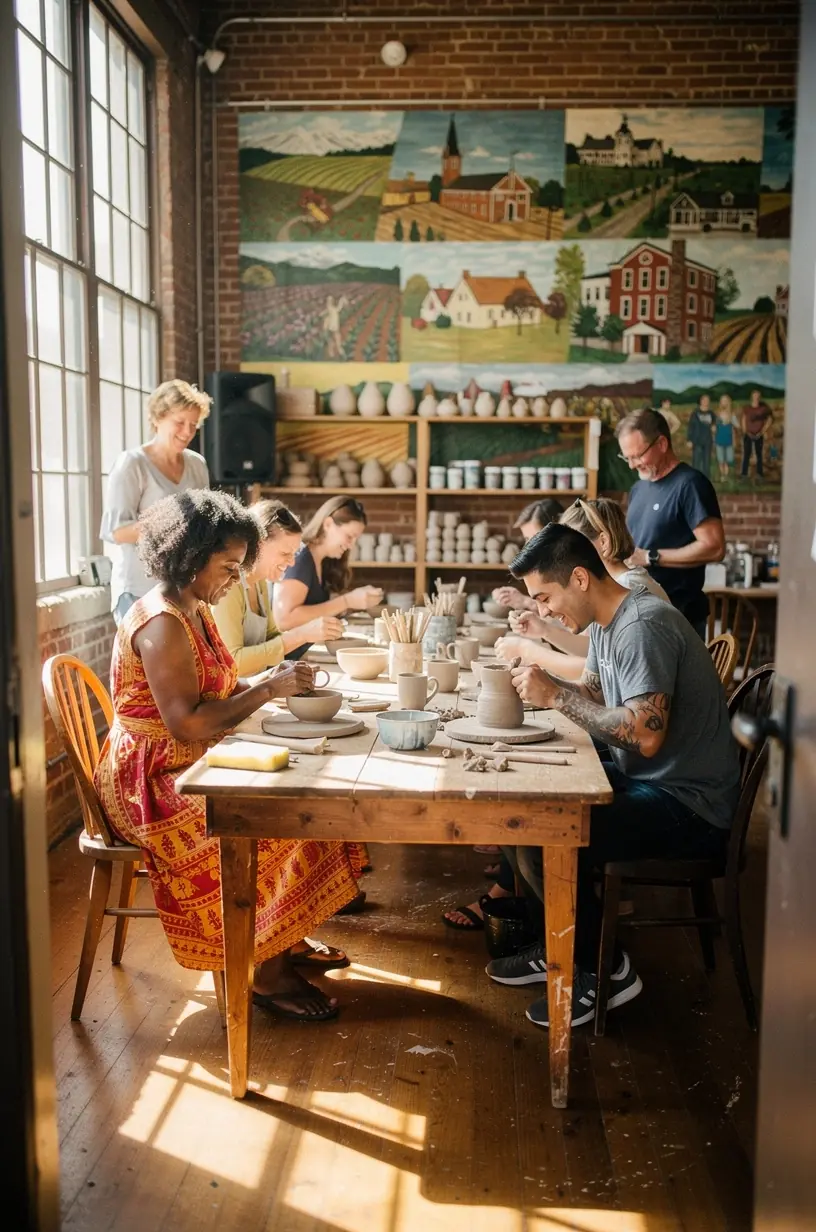
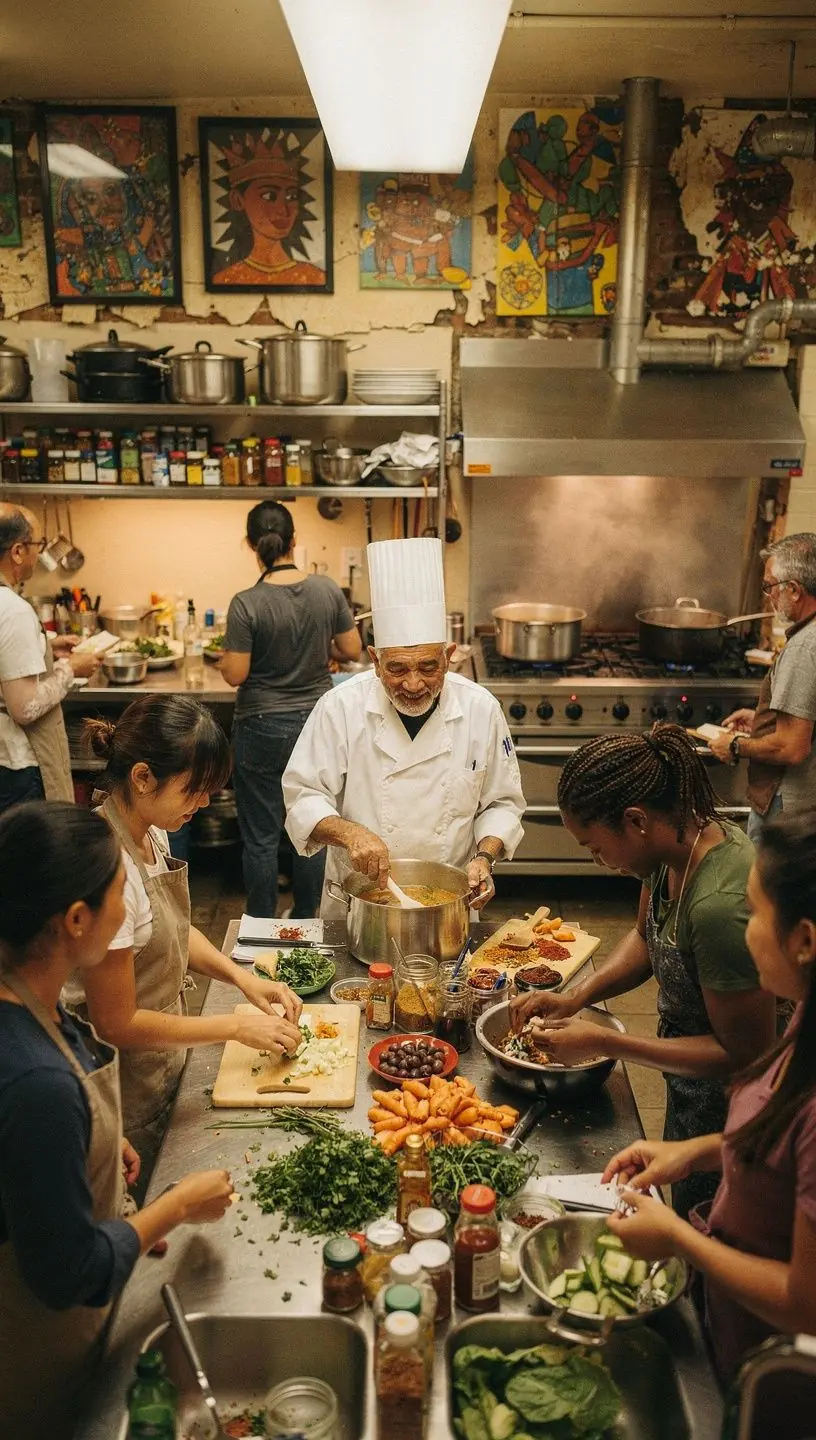
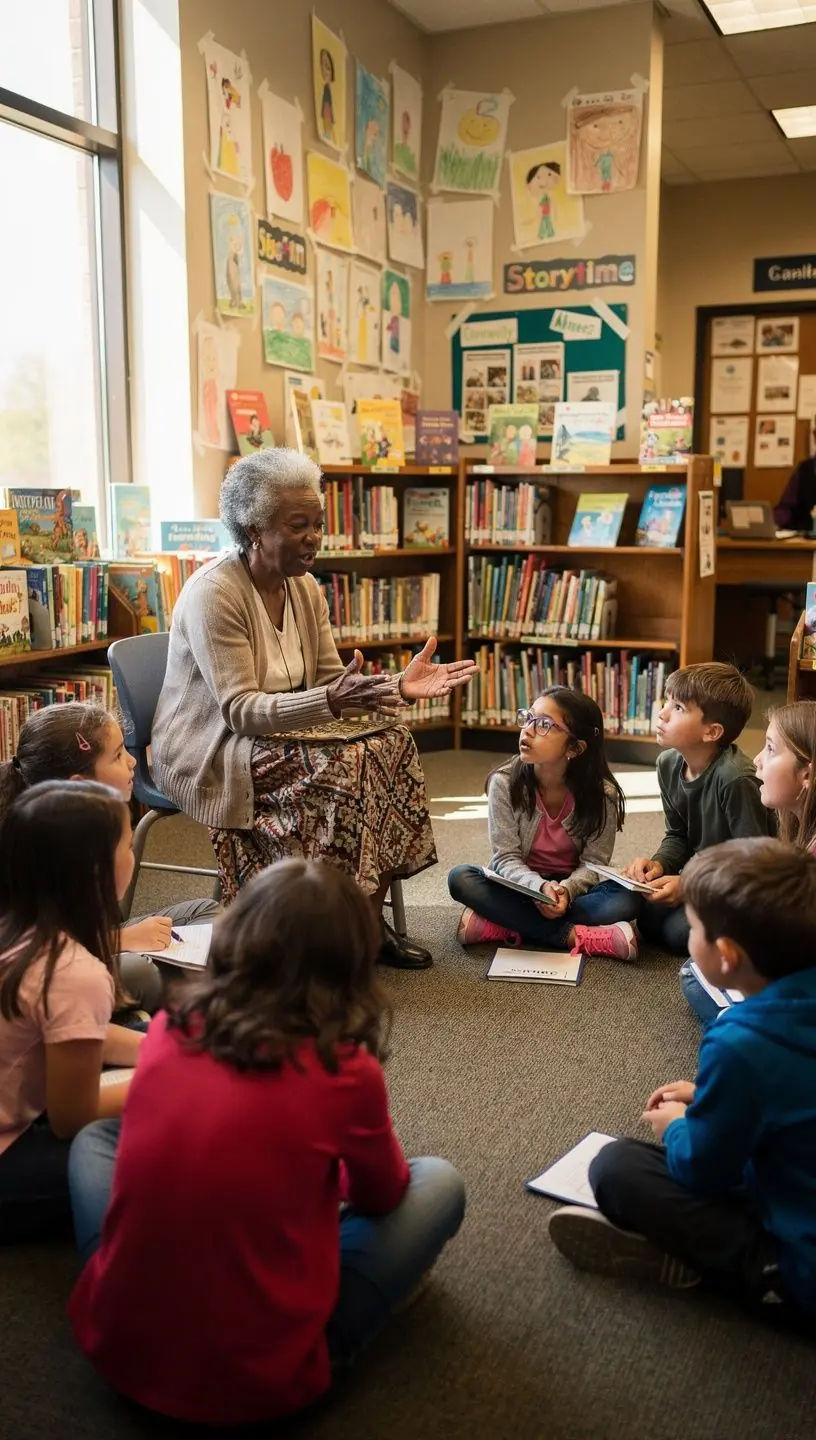
Community events serve as a platform for cultural exchange and engagement. Organizing such events often demands understanding local needs and interests. According to research from the National Endowment for the Arts, community engagement can enhance social cohesion and improve overall community satisfaction.
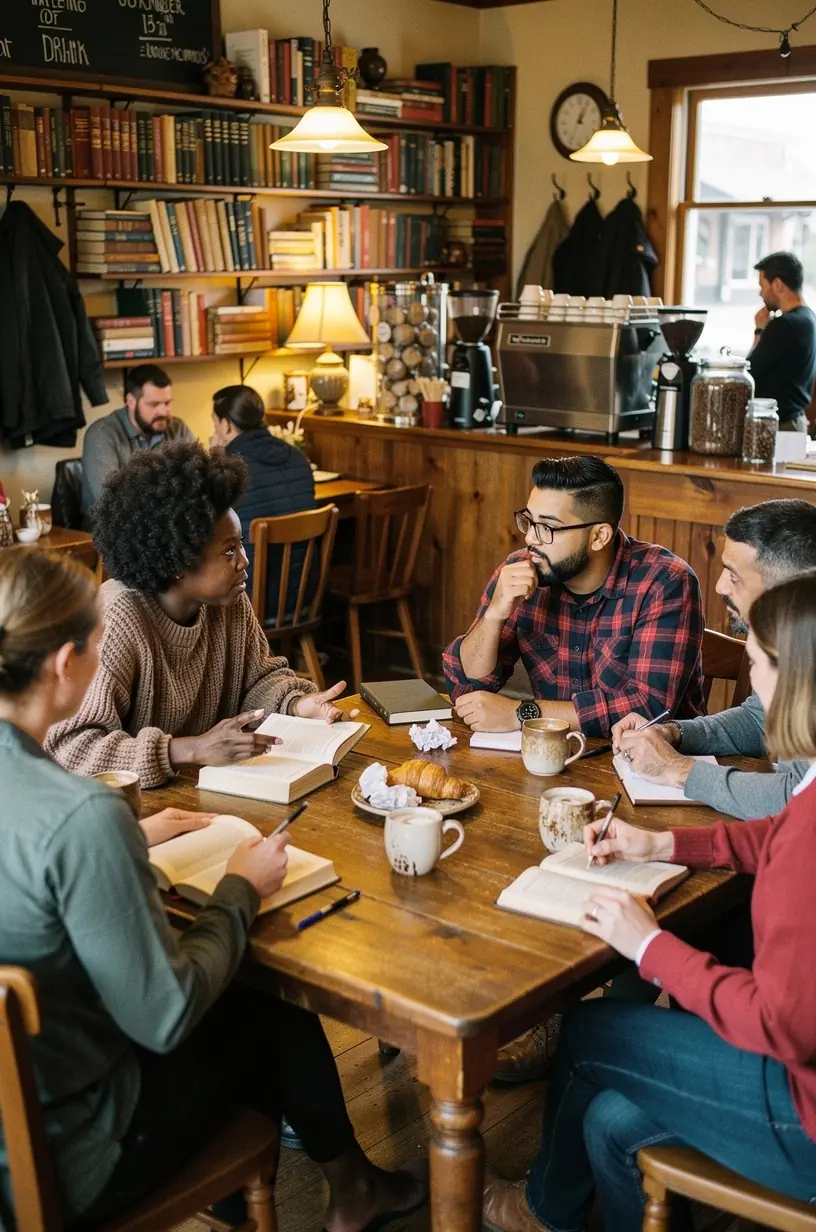
"Effective community engagement can lead to an increase in civic participation and community pride." - National Endowment for the Arts
Steps to Organize Meaningful Community Events
1. Identify Community Needs and Interests
Before planning an event, conduct surveys or host focus groups to identify what the community values most. This may involve asking local residents about their interests or reviewing past successful events. Studies show that events tailored to community interests are often more successful and have higher participation rates.
2. Set Clear Objectives
Establishing clear objectives helps guide the planning process. Objectives might include fostering community connections, promoting local culture, or providing educational opportunities. According to industry experts, having measurable goals can also help in assessing the event's success and areas for improvement.
3. Assemble a Diverse Planning Team
Engaging a diverse group of stakeholders in the planning process can lead to a more inclusive event. This team should represent different sectors of the community, including local businesses, schools, and cultural organizations. Experts recommend that collaboration across diverse backgrounds can enhance creativity and resourcefulness in event planning.
4. Create a Detailed Plan and Timeline
A detailed plan should include a timeline, budget, and marketing strategy. Typically, planning takes between 4-6 weeks, depending on the event's complexity. Ensure that team members understand their roles and responsibilities. Research indicates that clear organization and communication can significantly reduce stress during the execution phase.
5. Promote the Event Effectively
Utilize social media, local newspapers, and community boards to promote the event. Many users report that engaging visuals and compelling narratives can attract a broader audience. Additionally, engaging local influencers can help amplify the event's reach.
6. Gather Feedback Post-Event
After the event, solicit feedback through surveys or informal discussions. This information is invaluable for understanding what worked well and what could be improved in future events. According to experts, continuous improvement is essential for sustaining community engagement over time.
Conclusion
Organizing effective community events requires thoughtful planning, collaboration, and dedication. By focusing on the community's needs and engaging various stakeholders, event organizers can create memorable experiences that foster cultural exchange and community pride. Remember, while certain strategies may enhance success, results can vary based on numerous factors, and flexibility in planning is crucial.