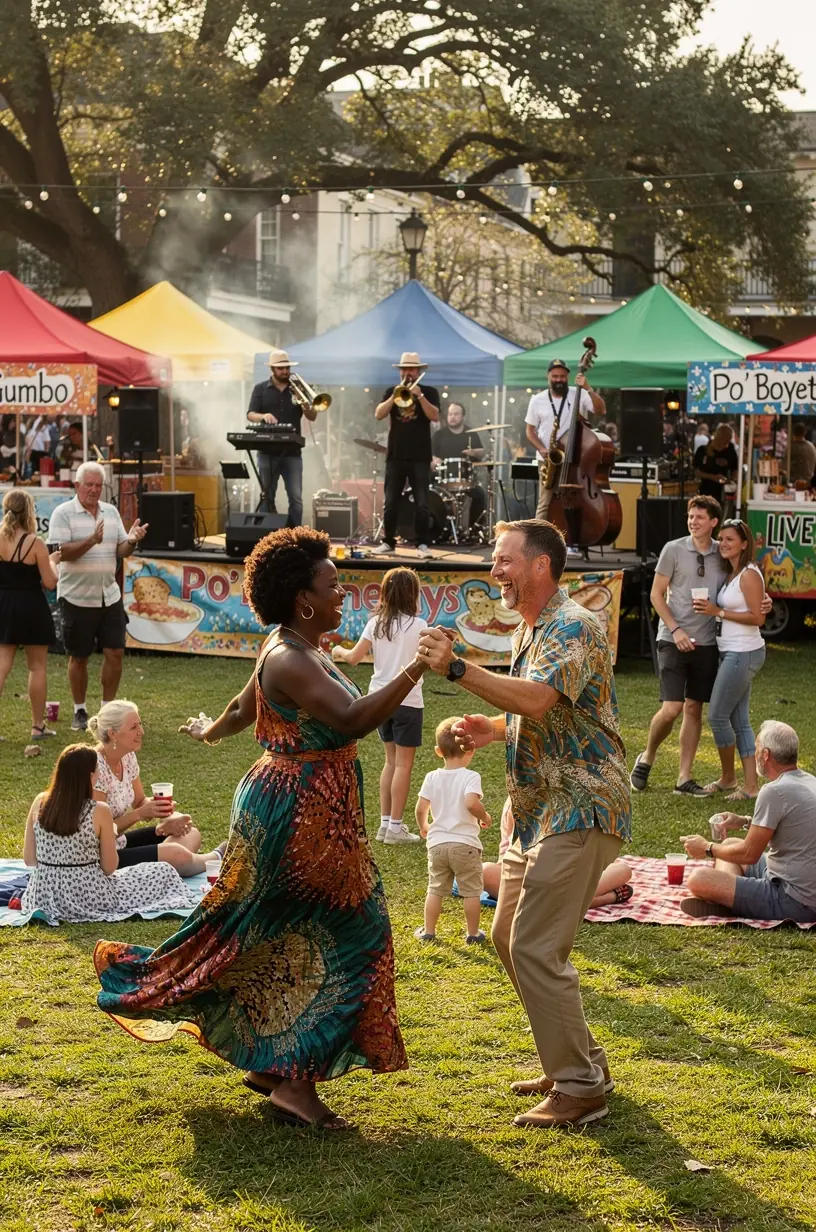
The Importance of Storytelling in Cultural Workshops
In recent years, cultural workshops have gained popularity as platforms for travelers to connect with local traditions and communities. A key element in making these experiences impactful is storytelling. This article explores the significance of storytelling in cultural workshops and how it enhances the learning and engagement of participants.
Understanding the Role of Storytelling
Storytelling is not just a method of communication; it is a fundamental way humans make sense of the world. According to research by the Harvard Business Review, narratives are inherently more relatable and memorable than mere facts or figures. In the context of cultural workshops, storytelling often serves multiple purposes:
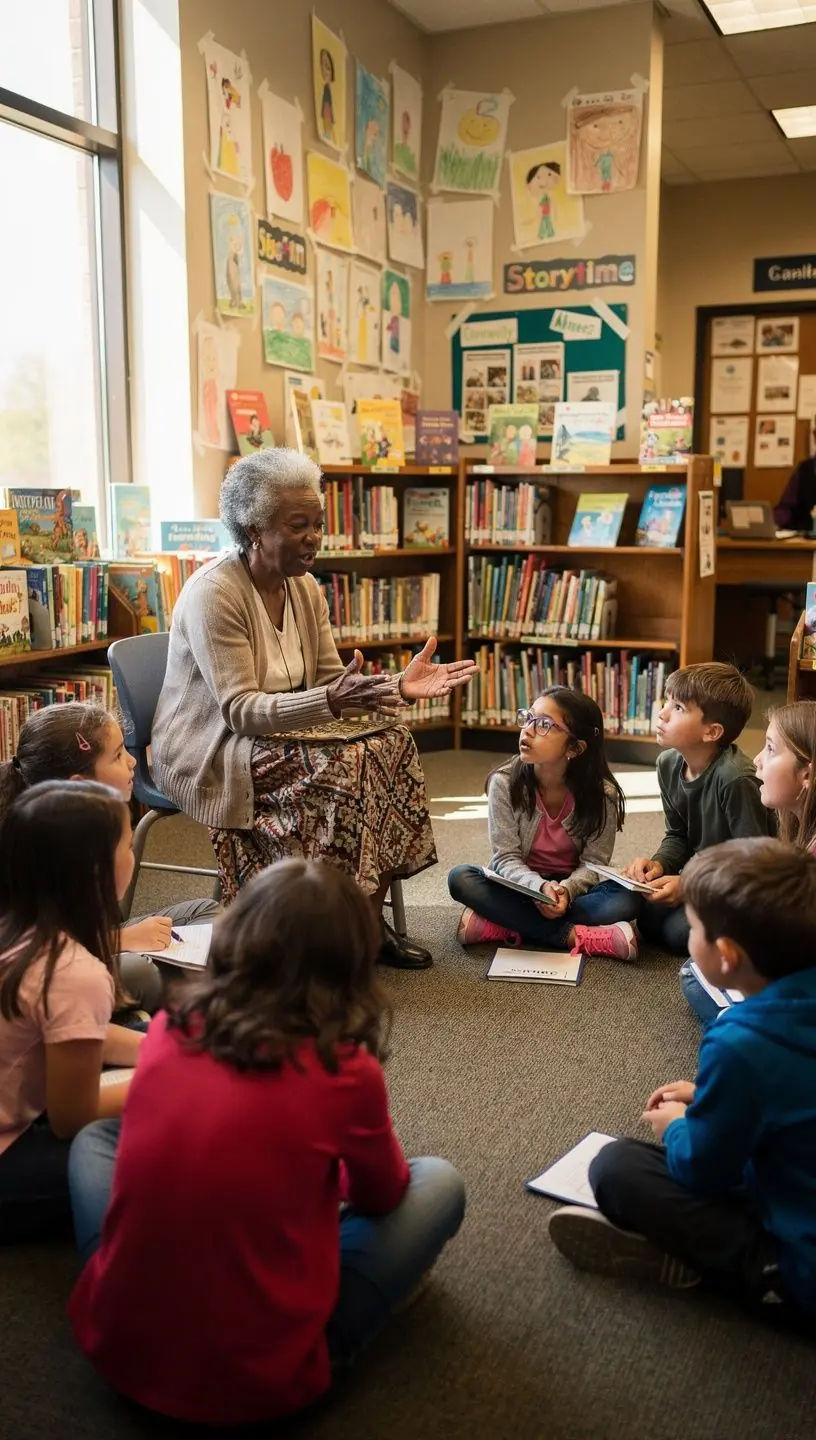
- It fosters emotional connections between participants and local cultures.
- It provides context for cultural practices, making them more comprehensible.
- It encourages participation and engagement by inviting learners to become part of the narrative.
"Stories are the most powerful tool we have for communicating complex ideas in an engaging way." - Dr. John Doe, Cultural Anthropologist
How Storytelling Enhances Learning
The effectiveness of storytelling in cultural workshops can be attributed to several factors:
- Contextual Learning: Stories often weave historical and cultural context into the learning experience. This approach allows participants to understand not just what is being taught, but why it matters.
- Memory Retention: Studies show that information conveyed through stories is easier to remember. A 2016 report from the Journal of Educational Psychology found that learners retain stories up to 22 times longer than facts alone.
- Emotional Engagement: Engaging narratives evoke emotions, which can enhance the learning experience. Participants are more likely to recall experiences that made them feel something, according to neurological research on emotional memory.
Implementing Storytelling in Workshops
For cultural workshops to effectively incorporate storytelling, facilitators should consider the following strategies:
- Identify relevant stories that connect with the cultural practices being presented. This requires a deep understanding of the subject matter and the audience.
- Encourage participant involvement by inviting them to share their own stories or interpretations. This creates a two-way dialogue that enriches the experience.
- Utilize various storytelling techniques such as visual aids, role-playing, or digital storytelling to cater to different learning styles.
Challenges and Limitations
While storytelling can significantly enhance cultural workshops, it is important to acknowledge potential challenges:
- Time Constraints: Crafting engaging stories typically requires time and effort. Workshops may need to balance storytelling with other educational objectives.
- Content Sensitivity: Facilitators must be aware that stories related to cultural practices can be sensitive for some participants. It is crucial to approach storytelling with respect and consideration.
- Participant Engagement: Not all participants may actively engage with storytelling methods. Adapting strategies to include a variety of learning opportunities can help.
Conclusion
Incorporating storytelling into cultural workshops offers a proven approach to enhance engagement and understanding among participants. By fostering emotional connections and contextualizing cultural practices, storytelling can transform a standard workshop into a memorable learning experience. As industry experts suggest, the integration of narrative techniques may be particularly beneficial in workshops aimed at cultural exchange and community engagement.