Exploring the Role of Community Art Workshops
Community art workshops play a vital role in fostering creativity, connection, and cultural understanding among travelers and locals alike. This article delves into the significance of these workshops, how they operate, and their impact on community building.
Understanding the Basics of Community Art Workshops
Community art workshops are designed to bring together individuals from diverse backgrounds to explore their artistic abilities while learning about each other’s cultures. According to research conducted by the National Endowment for the Arts, participation in community arts activities generally enhances social cohesion and fosters a sense of belonging among participants.
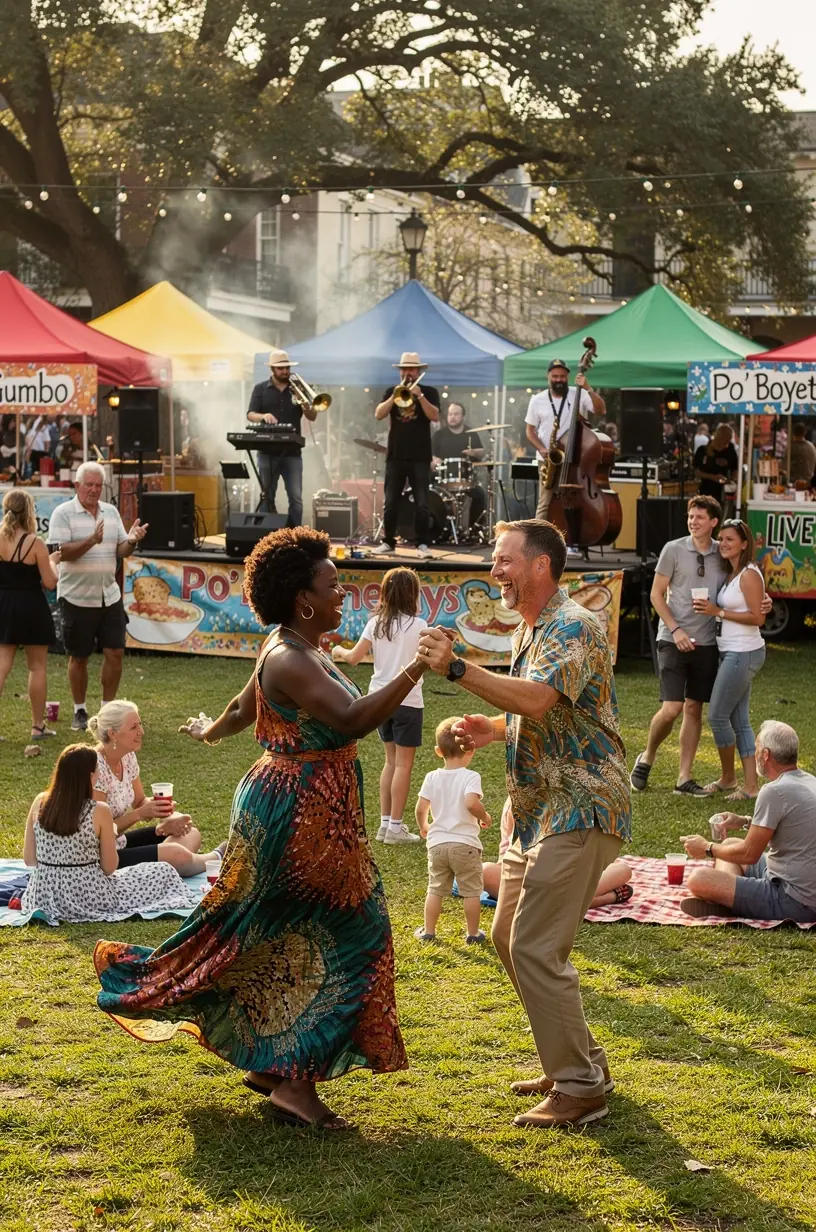
"Art has the power to bridge cultural divides and facilitate meaningful conversations among participants."
Benefits of Community Art Workshops
Engaging in community art workshops can offer multiple benefits:
- Fostering Creativity: Many studies indicate that creative expression can improve mental well-being and reduce stress levels. Participating in artistic activities typically allows individuals to express emotions and thoughts in a constructive way.
- Building Connections: Workshops often create a supportive environment where participants can form connections. Experts recommend that these social interactions can lead to lasting friendships and networks, enhancing community ties.
- Cultural Exchange: These workshops often feature local artists who provide insights into their cultural practices, allowing travelers to gain a deeper understanding of the community’s heritage. This exchange can be enriching for both locals and visitors.
How Community Art Workshops Operate
Community art workshops typically involve a collaborative approach where participants engage in hands-on activities under the guidance of experienced instructors. The process usually includes:
- Introduction and Icebreakers: Workshops often start with introductions to foster a welcoming atmosphere. This step is crucial as it helps participants feel comfortable.
- Instruction and Demonstration: Instructors present various techniques and mediums, illustrating the creative process. This aspect is essential; as research shows that structured learning can enhance skill acquisition.
- Hands-On Creation: Participants are encouraged to create their own artworks, applying the techniques they’ve learned. This stage typically allows for personal expression and experimentation.
- Feedback and Reflection: At the end of the workshop, participants share their creations and experiences. This reflection is important as it promotes community dialogue and strengthens connections among attendees.
Challenges and Considerations
While community art workshops offer many benefits, they are not without challenges. They can require a significant time commitment, often spanning several hours for just one session. Additionally, participants may need to navigate a learning curve, especially if they are new to artistic practices. Programs work best when they are inclusive and consider various skill levels, ensuring that everyone feels valued and capable of contributing.
Conclusion
Community art workshops serve as essential hubs for cultural exchange, personal growth, and community cohesion. Travelers engaging in these activities can gain enriching experiences by connecting with local art and culture. While the process may require time and effort, the benefits of participation extend beyond individual creativity, contributing to stronger and more vibrant communities. Consider joining a workshop during your next visit to immerse yourself in the local culture and experience the transformative power of art.
Learn More