How Cultural Tours Foster Local Identity
In a world increasingly dominated by globalization, local cultures often struggle to maintain their unique identities. Cultural tours offer travelers a valuable opportunity to engage with local communities, fostering connections that help preserve and promote regional identities.
Understanding the Impact of Cultural Tours
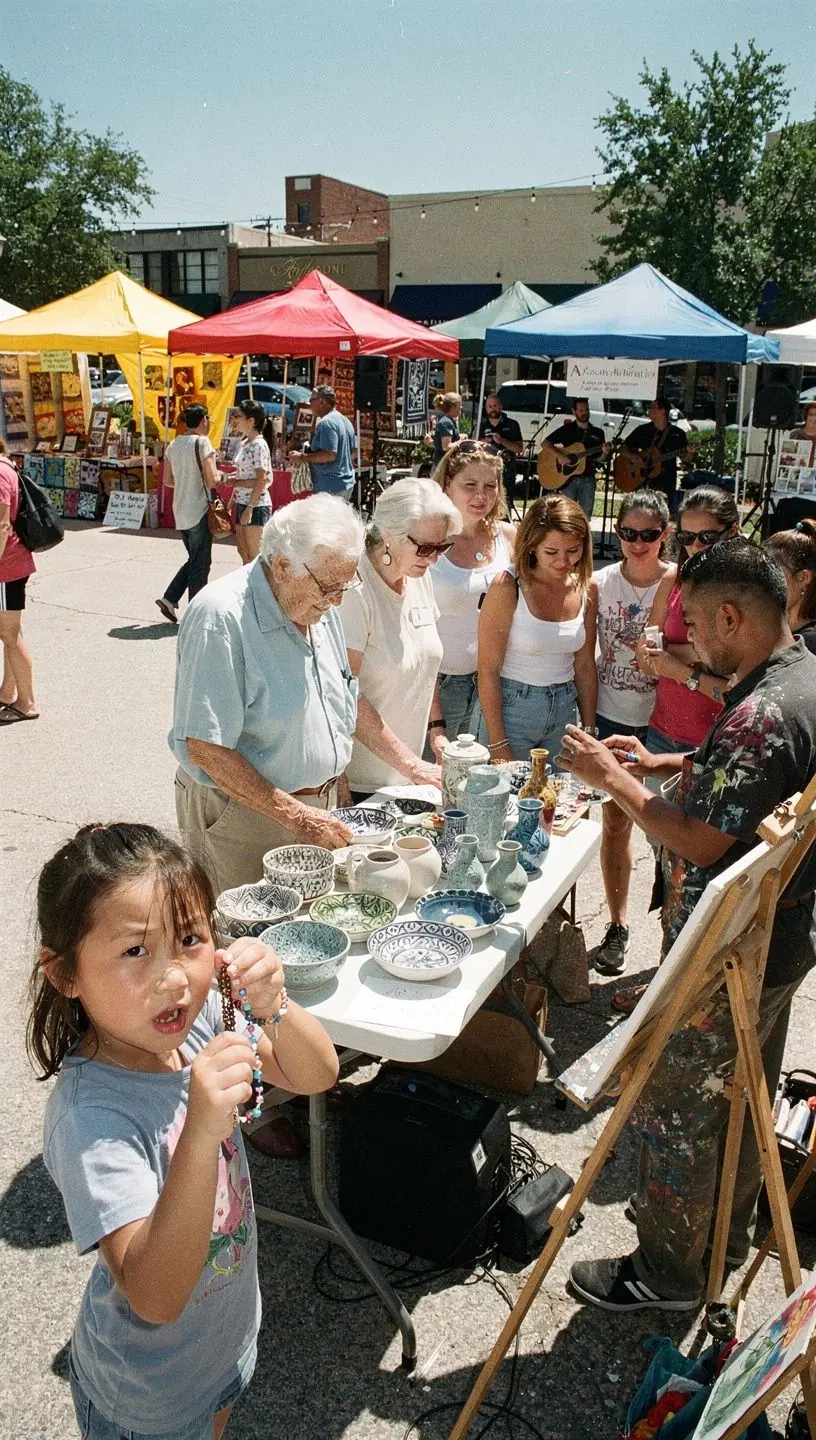
Cultural tours typically involve guided experiences that immerse travelers in the traditions, history, and daily life of a specific locale. According to studies conducted by the World Tourism Organization, these tours can significantly enhance awareness and appreciation of local customs and practices. By facilitating interactions with local artisans, chefs, and community leaders, cultural tours create a platform for sharing knowledge and experiences.
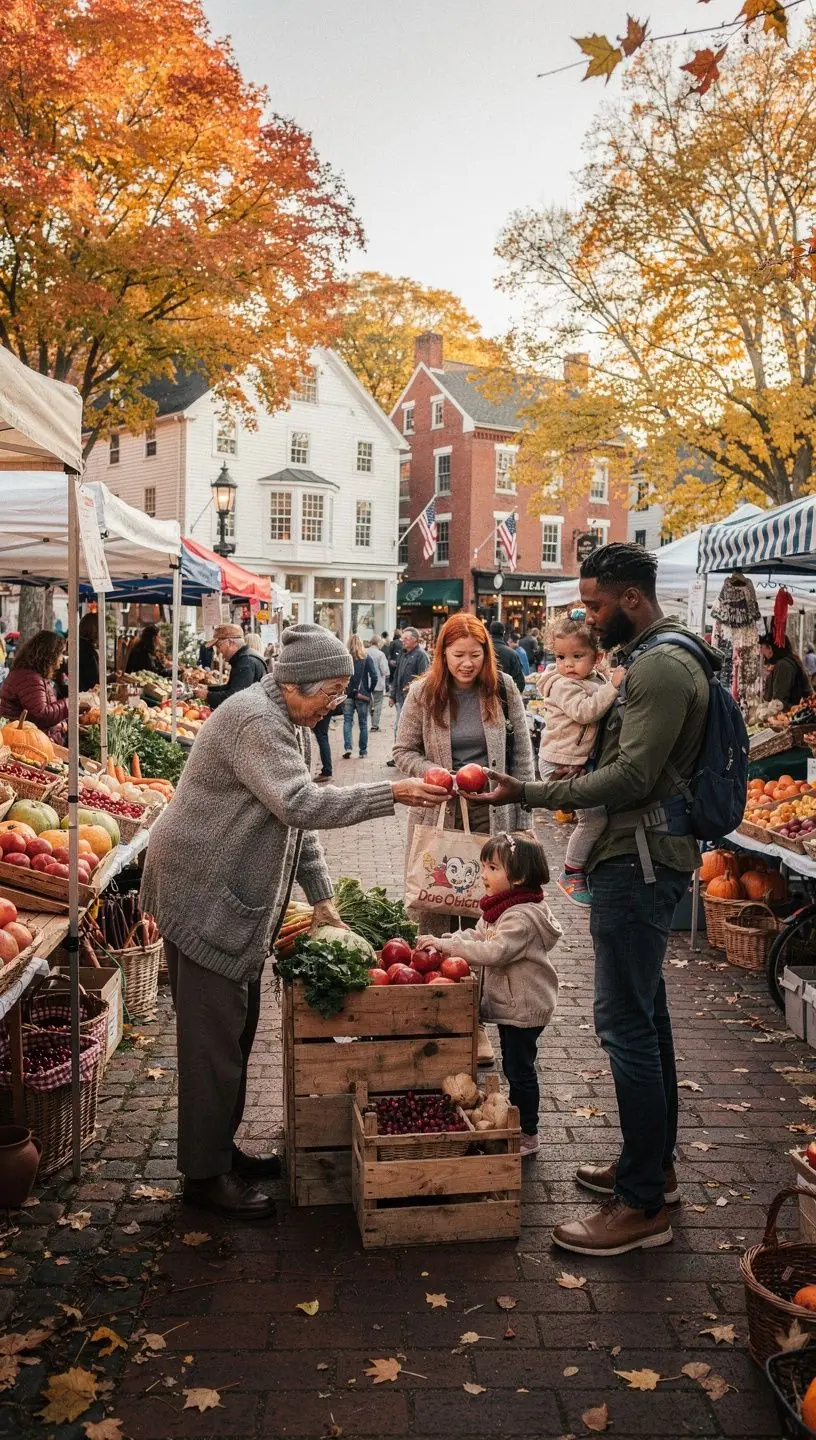
"Cultural tourism enables meaningful exchanges between visitors and residents, promoting mutual understanding and respect." - Industry Expert
How Cultural Tours Preserve Local Identity
Many cultural tours are designed with the intent of benefiting both travelers and the local community. Here’s how they typically contribute to preserving local identity:
- Education and Awareness: Participants learn about local traditions and history, which can help cultivate a greater appreciation for cultural diversity. Research shows that educational initiatives can lead to increased respect and understanding among different cultural groups.
- Economic Empowerment: Many tours include local businesses, ensuring that a portion of the revenue stays within the community. This not only supports the local economy but also encourages the continuation of traditional practices, as many artisans and chefs rely on tourism to sustain their livelihoods.
- Community Engagement: Cultural tours often involve collaboration with local organizations, which can enhance community pride and involvement. Experts recommend creating partnerships that enable locals to share their stories and experiences directly, fostering a sense of ownership in the cultural narrative.
Challenges and Considerations
While cultural tours can have positive effects, it’s essential to acknowledge potential challenges:
- Cultural commodification can occur if local traditions are overly commercialized. This may lead to a dilution of authenticity, as communities feel pressured to cater to tourist expectations.
- Time and dedication are required to create meaningful tours. Developing these experiences typically involves extensive planning and collaboration with local stakeholders, which can take several months to establish.
- Not all aspects of a culture may be suitable for public presentation. Some traditions may require prior consent or are reserved for specific community members, underlining the need for sensitivity and respect when designing tours.
Conclusion
In summary, cultural tours serve as vital conduits for fostering local identity in a rapidly changing world. They promote education, economic empowerment, and community engagement, while also requiring careful planning and consideration to ensure authenticity and respect for local traditions. By participating in these enriching experiences, travelers can contribute to the preservation of cultural heritage, benefiting both themselves and the communities they visit.